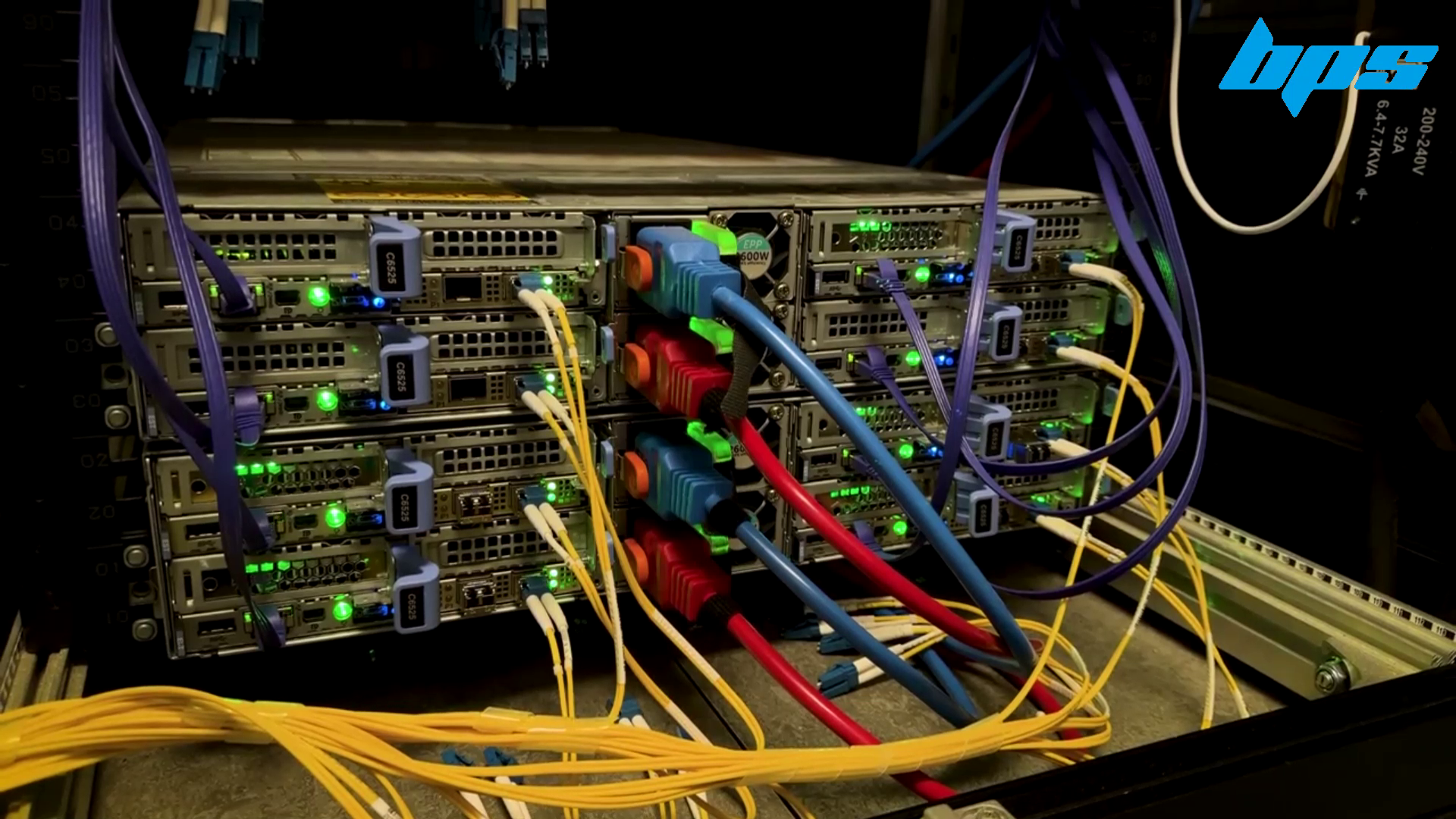
Why a Dedicated Server is the Ultimate Powerhouse for P2P Software
Peer-to-peer (P2P) software has revolutionized how we share files, stream content, and even power blockchain networks. From BitTorrent clients to cryptocurrency nodes and decentralized platforms, the core strength of P2P is its distributed nature. But ironically, to truly harness that decentralized power at a professional level, a centralized component often becomes essential: the dedicated server. Moving your P2P operations from a home connection to a dedicated server isn’t just an upgrade—it’s a game-changer.
Unleashing Uninterrupted Availability
The fundamental rule of a healthy P2P node is “always on.” Your contribution to the network—whether sharing files, validating transactions, or relaying data—depends on constant availability. A home PC or NAS device can be hobbled by power outages, internet hiccups, or simply being turned off. A dedicated server, housed in a professional Tier-3 data center, guarantees 99.9% uptime. Your node becomes a persistent, reliable pillar in the swarm, which is critical for building ratio on private trackers or maintaining a blockchain node’s sync and reputation.
Conquering Bandwidth and Performance Bottlenecks
P2P software can be voracious, consuming massive amounts of upload/download bandwidth and system resources. Home internet plans often have severe asymmetrical limits, with cripplingly low upload speeds and data caps that can be exceeded in days. A dedicated server provides unmetered or generously metered, high-bandwidth connections (often 1 Gbps or more) specifically designed for heavy traffic. This means you can seed terabytes of data without throttling, support thousands of connections in a torrent swarm, or process blockchain data at full speed, all without impacting your household’s Netflix stream.
Enhancing Security and Control
Running a public-facing P2P client on your personal network opens significant security risks, exposing your home IP to the entire swarm and potentially making you a target. A dedicated server acts as a secure, isolated environment. You can configure robust firewalls, implement stringent access controls, and contain any vulnerabilities within that remote machine. This separation of duties keeps your personal data and IP address private while giving you root-level control to optimize the OS, networking stack, and software for peak P2P performance.
Advanced Management and Scalability
For projects beyond simple file sharing—like hosting a private torrent tracker, operating a blockchain master node, or running a decentralized application backend—a dedicated server is non-negotiable. It allows for the installation of essential management panels (like Webmin), automation scripts, and monitoring tools. As your needs grow, you can scale resources (CPU, RAM, storage) without the physical limitations of home hardware. Need 50 TB of storage for a massive seeding archive? It’s just a provisioning request away.
Ideal Use Cases in Practice:
* Super-Seeding: Become a top-tier contributor on private torrent trackers by seeding 24/7 at high speeds.
* Blockchain Node Operation: Run a fully validating Bitcoin, Ethereum, or other crypto node with robust uptime, contributing to network health and enabling instant, private queries.
* Decentralized App (dApp) Infrastructure: Host the foundational servers for a decentralized platform, ensuring low latency and high reliability for users.
* Private P2P Network Hub: Create a central, secure rendezvous point for a custom, distributed application among a team or community.
In conclusion, while P2P philosophy champions distribution, leveraging a dedicated server as your strategic entry point transforms you from a casual participant into a powerful, reliable force within the network. It provides the stability, resources, and security necessary to push your P2P applications to their true potential, making it the ultimate powerhouse for any serious user or developer.